
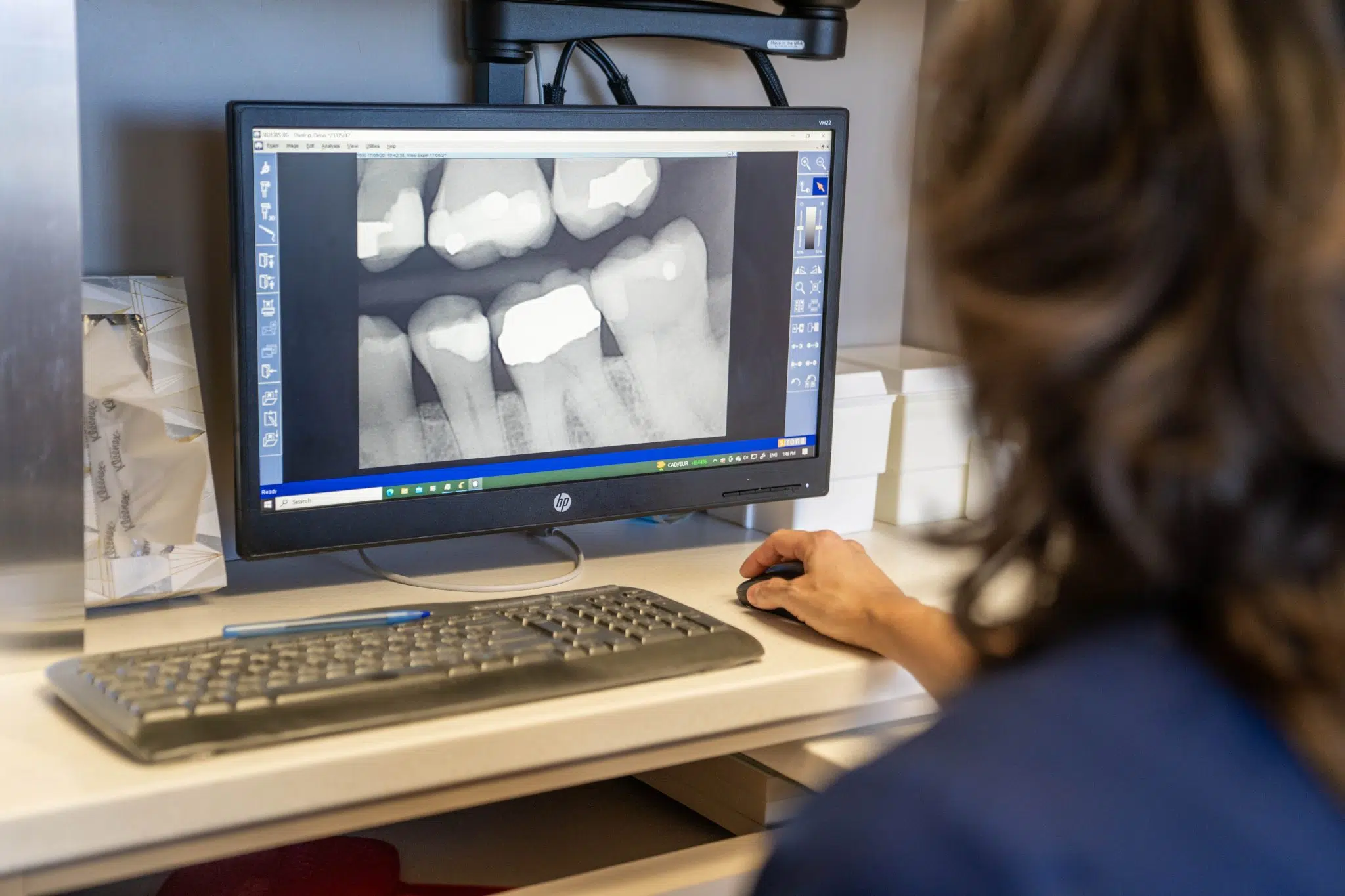
Orofacial Myofunctional Therapy in Saskatoon
Breathing, lip seal, tongue-resting posture, chewing and swallowing depend on coordinated movement of the muscles in the mouth and face. Myofunctional therapy uses education, guided exercises and regular practice to address relevant oral muscle patterns when this care may be appropriate.
What is an orofacial myofunctional disorder?
An orofacial myofunctional disorder, often shortened to OMD, involves an atypical movement or resting pattern of the tongue, lips, jaw or other muscles of the mouth and face. These patterns may be noticeable while a person is resting, breathing, chewing, swallowing or speaking.
OMDs can be associated with learned habits, structural differences, dental alignment and other health factors. One sign by itself does not confirm a disorder or mean that therapy is required.
- Habitual open-mouth resting posture
- Difficulty maintaining a comfortable lip seal
- Low or forward tongue-resting position
- Tongue thrust during swallowing
- Persistent mouth-breathing pattern
- Prolonged thumb, finger or pacifier habits
- Chewing or swallowing pattern concerns
- Concerns affecting orthodontic stability
What is orofacial myofunctional therapy?
Orofacial myofunctional therapy focuses on awareness, coordination and repeated practice of selected oral and facial muscle patterns. The exercises and goals depend on the patient's functional needs and ability to participate.
Therapy may focus on lip and tongue-resting posture, tongue movement, oral habits, chewing or swallowing patterns, and nasal breathing when the airway is clear and nasal breathing is medically appropriate.
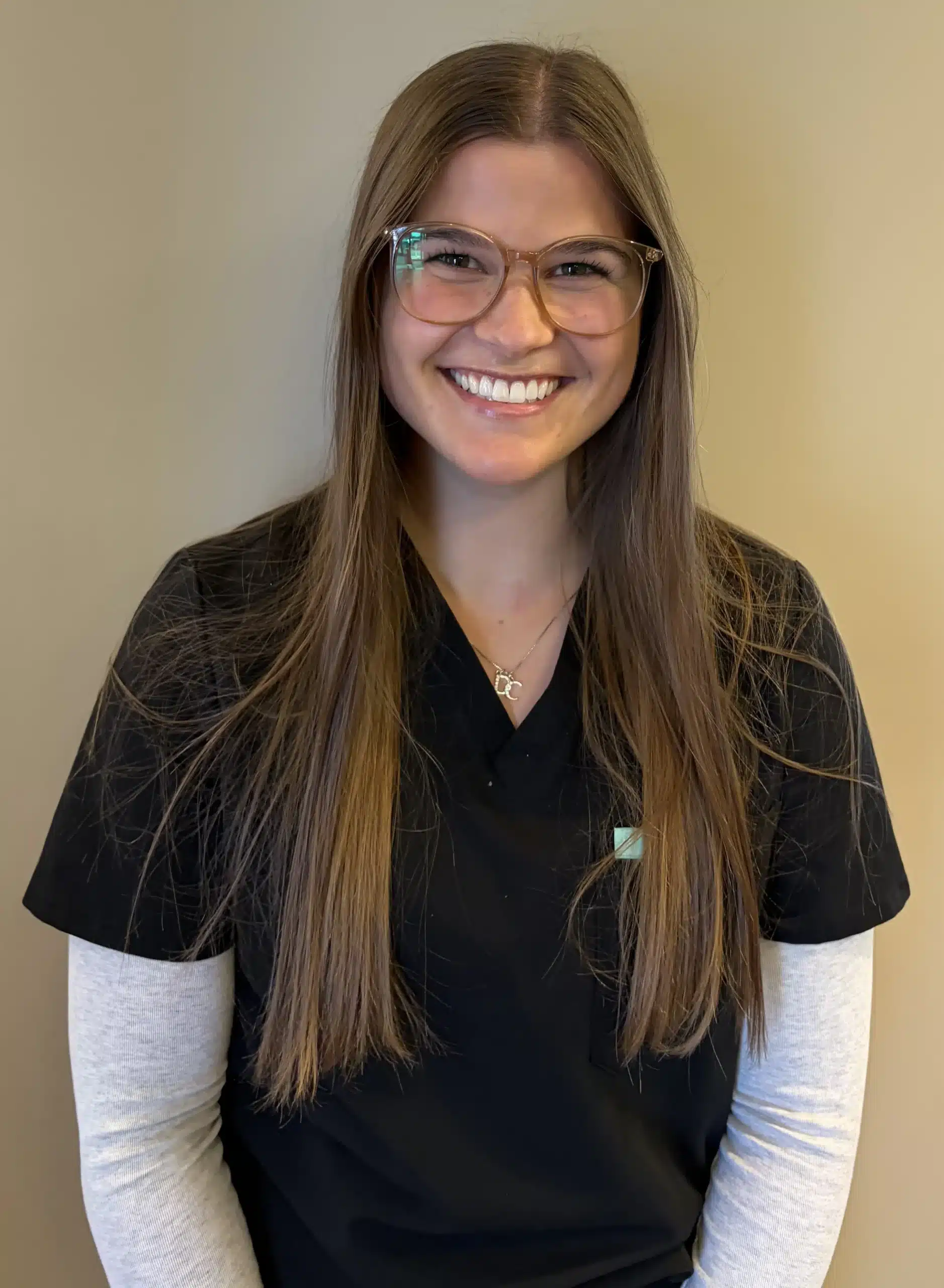
Meet Cierra Andreas
Cierra grew up in Wadena, Saskatchewan, before moving to Saskatoon in 2020. She is proud to now call Saskatoon home.
She attended the University of Saskatchewan and obtained her Certificate in Dental Assisting in 2021. After working as a dental assistant for several years, Cierra decided to continue pursuing her goals in oral healthcare.
She attended the Canadian National Institute of Health in Ottawa, Ontario, where she earned her Advanced Diploma of Dental Hygiene in 2025 and graduated with Honours. Cierra has also completed specialized training in myofunctional therapy, which she is excited to share with her patients at Willowgreen Dental.
Her approach emphasizes patient education, clear instructions and practical exercises patients can continue at home. Outside the clinic, Cierra enjoys going for walks, learning new hobbies and spending time with her dog.
Who may be considered for myofunctional therapy?
Children, teens and adults may be considered when an oral resting or movement pattern could benefit from structured exercises and habit retraining. Age alone does not determine candidacy.
- A dentist or orthodontic provider identified an oral pattern
- The patient frequently rests with the mouth open
- Tongue thrust may be relevant to dental care
- An oral habit continues beyond the expected stage
- Another provider recommends collaborative care
- The patient can follow instructions and practise regularly
For younger patients, a parent or caregiver may need to participate in home practice. The patient's development, motivation and ability to self-monitor are important considerations.
What to expect during myofunctional therapy
The exact sequence, exercise selection and appointment schedule depend on the patient's concerns, functional patterns and response to therapy.
Consultation and history
Cierra discusses the patient's concerns, relevant health and dental history, oral habits and information from other providers.
Functional screening
Resting posture, breathing habits, tongue and lip movement, chewing, swallowing and relevant oral habits may be observed.
Individualized plan
When therapy is appropriate, exercises are selected according to the patient's needs, goals and ability to participate.
Guided appointments
Cierra demonstrates each exercise, checks technique and adjusts activities when appropriate.
Home practice
Regular practice helps the patient develop awareness and apply new patterns outside scheduled appointments.
Progress reviews
Follow-up visits review technique, discuss challenges and determine whether the plan or care pathway should change.
What therapy may work toward
Goals are selected for the individual patient and should be described as potential outcomes rather than promises.
Resting posture awareness
Recognizing the position of the lips and tongue when not speaking or eating.
Lip seal
Practising a comfortable closed-lip resting posture when appropriate.
Tongue positioning
Developing awareness of an appropriate tongue-resting position.
Coordinated swallowing
Practising selected oral movements involved in an appropriate swallowing pattern.
Oral habit change
Using practical strategies to reduce relevant thumb, finger or pacifier habits.
Dental-care support
Addressing functional patterns that may be relevant to a coordinated dental or orthodontic plan.
Myofunctional therapy and orthodontic care
The tongue, lips and cheeks apply forces to the teeth throughout the day. For some patients, oral-rest posture or swallowing patterns may be relevant to orthodontic planning or long-term stability.
Myofunctional therapy may be used alongside orthodontic care when recommended. It does not move teeth or replace clear aligners, braces, retainers or care from an orthodontic professional.
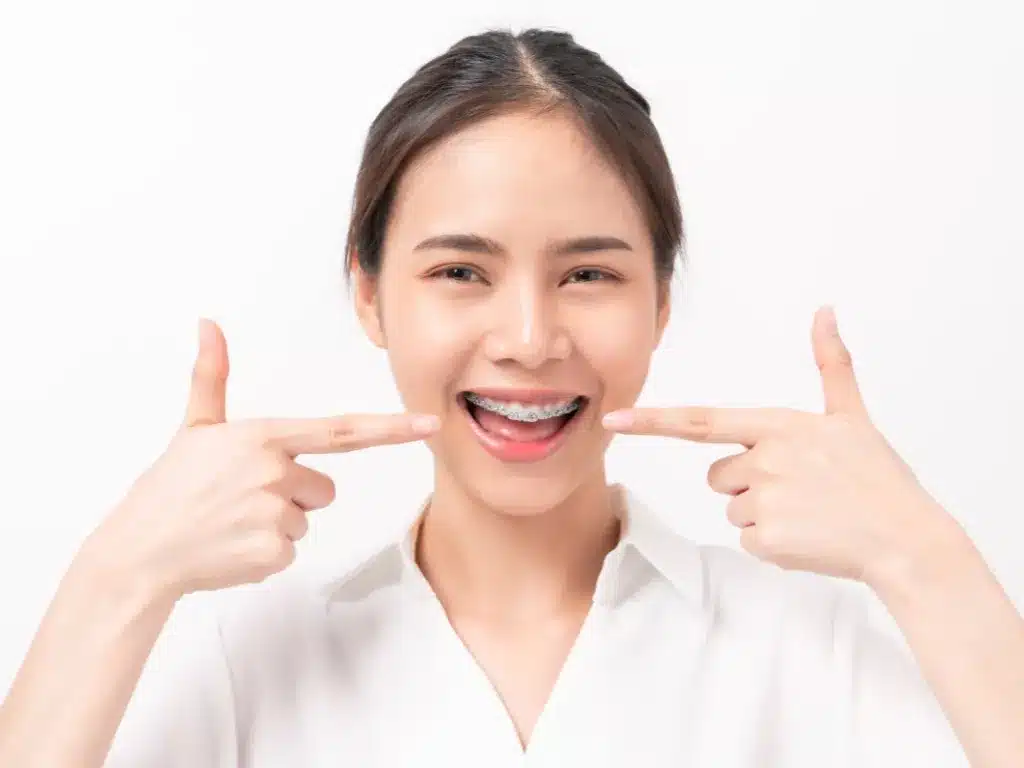

Coordinated care may be recommended
Orofacial concerns can involve more than one part of a patient's health. When findings fall outside myofunctional therapy or dental care, referral or communication with another qualified professional may be appropriate.
- General dentist
- Orthodontic provider
- Physician or pediatrician
- Ear, nose and throat specialist
- Allergist or sleep-health professional
- Speech-language pathologist
Speech sound, language, voice and clinical swallowing concerns require assessment by an appropriately qualified professional. Myofunctional therapy at Willowgreen Dental should not be described as speech therapy.
Potential goals and important limitations
Progress varies and depends on the underlying concern, patient participation and whether structural or medical factors are also present.
Therapy may support
- Greater awareness of oral habits
- More consistent lip and tongue-resting patterns
- Practice of selected chewing or swallowing movements
- Strategies for changing relevant oral habits
- Functional goals coordinated with dental or orthodontic care
Therapy does not guarantee
- A specific treatment timeline
- A particular dental or orthodontic outcome
- Correction of structural restrictions or airway obstruction
- Resolution of speech, sleep or medical conditions
- Results without consistent participation and home practice
Myofunctional therapy FAQs
A consultation is required for advice about an individual patient's needs.
Is myofunctional therapy only for children?
No. Children, teens and adults may be considered. Appropriateness depends on the concern, development, ability to follow instructions and willingness to complete regular home practice.
Can myofunctional therapy stop mouth breathing?
Therapy may address habitual oral-rest and breathing patterns when nasal breathing is possible and medically appropriate. It cannot correct an airway obstruction, and medical assessment may be recommended.
Does myofunctional therapy replace orthodontic treatment?
No. Therapy does not move teeth or correct a bite. It may complement orthodontic care by addressing relevant oral habits or muscle patterns.
Is myofunctional therapy the same as speech therapy?
No. Myofunctional therapy focuses on oral and facial muscle patterns. Speech, language and clinical swallowing concerns require assessment by a qualified speech-language professional.
How long does therapy take?
The schedule varies according to the concern, goals, response to therapy and consistency of home practice. A specific timeline cannot be guaranteed.
Will I need to complete exercises at home?
Home practice is commonly part of therapy. Regular practice helps patients build awareness and apply new patterns outside scheduled appointments.
Do I need a referral?
Referral requirements may vary. Contact Willowgreen Dental to ask whether you can request a consultation directly or whether information from another provider would be helpful.
Is myofunctional therapy covered by dental insurance?
Coverage varies between benefit plans and cannot be guaranteed. Contact your insurer to confirm eligibility, documentation requirements and reimbursement.
Request a myofunctional therapy consultation in Saskatoon
If you or your child has concerns involving tongue posture, lip seal, swallowing patterns, mouth-open resting posture or persistent oral habits, request a consultation with Cierra Andreas. The consultation can help determine whether therapy or assessment by another provider should be considered.
This page provides general information and does not replace individualized dental, medical, orthodontic or speech-language assessment and advice.