
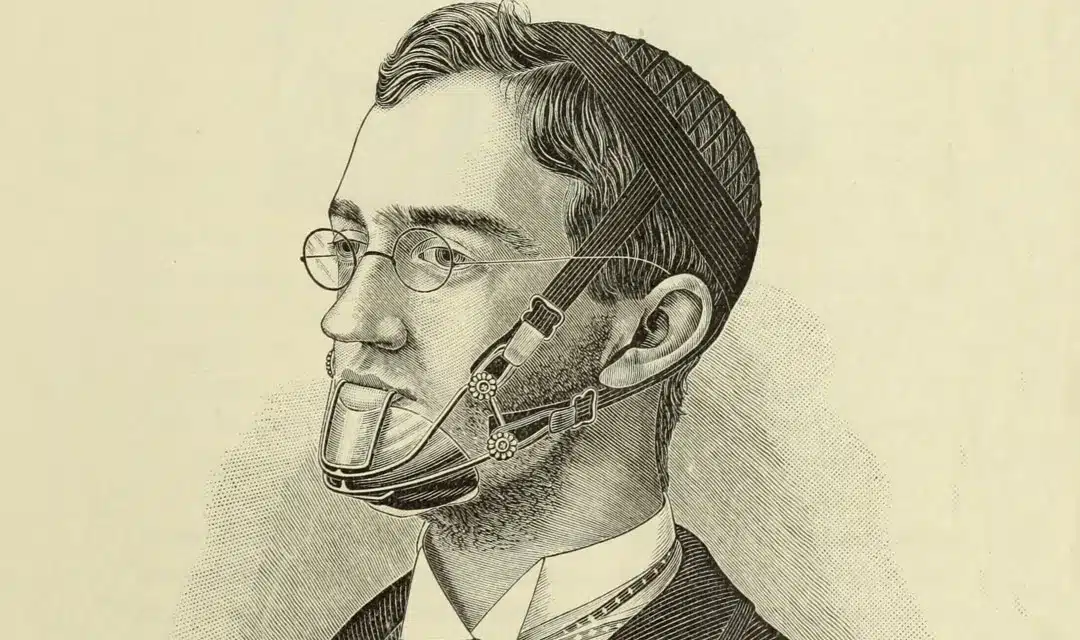
Many people think that braces are a modern invention because of orthodontics. But it’s time to burst that bubble! The idea of straightening teeth goes back thousands of years. Over time, the tools and methods have changed a lot. So, when were orthodontic braces invented?
In this guide, we’ve gathered many necessary details you need to know from professionals like Willowgreen Dental. So, grab your notebook and keep on reading!
Who Invented Orthodontic Braces?
The first person to study and write about straightening teeth was Pierre Fauchard. In 1728, the French dentist made a device called a “bandeau.” It was a metal strip that helped move teeth into a better position.
He is known as the father of modern dentistry. Later in the 1800s, other dentists added more tools to improve the process. But real braces with brackets and wires came in the 1900s.

Ancient Civilizations That Used Braces for Teeth
Your teeth can make you look good, no matter which era you are in. Even back in ancient times, it was important to fix misaligned teeth.
Here are some civilizations that used braces:
The Egyptians
Archaeologists have found mummies with metal posts on their teeth. These posts were tied with cords made from catgut, which came from sheep or horse intestines.
This cord worked like the wires we see in braces today. These braces were often used on dead bodies to prepare them for the afterlife.
The Ancient Romans
The Romans used thin gold wire called ligature wire to straighten teeth. These wires have been found in Roman burial sites. Unlike the Egyptians, the Romans used braces on living people to fix their teeth.
The Etruscans
They made mouthguards to protect the teeth of dead people. The Etruscans believed that it helped to keep their teeth aligned for the afterlife.
The Ancient Greeks
Archaeologists have found proof that Greeks were thinking about dental care back in 1000 BC. We know that their early thoughts helped shape braces today.

What Are Lingual Braces and When Were They Invented?
Lingual braces are like regular braces, but they go behind your teeth. They use the same wires and brackets as normal braces, just placed in a different spot.
Lingual braces were first used in the 1970s. A dentist named Dr. Craven Kurz started using them in California. He wanted to create a way to straighten teeth without showing metal on the front of the teeth.
These days, many people use lingual braces if they want a more hidden option.
History of Braces Timeline: The Evolution
To make it easier for you, here’s an overview of the braces timeline:

When Were Modern Braces Invented?
Modern braces became popular back in the early 1900s. At first, they were made with gold, which is soft and easy to shape. Later, stainless steel became the most used material because it’s strong and less costly.
In the 1950s and 1960s, orthodontists started using dental adhesives. They were able to stick brackets directly to the teeth. Before this, they had to wrap the bands around each tooth. And from here on, braces were made in a new way. They became smaller and less painful.
When Were the First Clear Aligners Invented?
Clear aligners were first created in the late 1990s. Invisalign was the first brand to become popular. It started in 1997 when two students from Stanford University came up with the idea. They used computer technology to create a series of clear plastic trays.
Today, clear aligners are a very popular choice. They are almost invisible, easy to remove, and don’t use metal wires or brackets.

Conclusion
Braces have a long and interesting past. From metal cords in mummies to smart plastic trays, they have come a long way. Knowing their history helps us see how far dental care has come. And with today’s innovative technology, the future of braces looks even better.