
Hearing that you need dental treatment can lead to an immediate list of questions. What exactly is wrong? Does it need to be treated now? What are the alternatives? What should you expect during the procedure? You should understand the recommendation before deciding how to proceed.
1. What Exactly Did You Find?
Start with the diagnosis or clinical finding. Ask your dentist which tooth or area is involved, what they observed, whether your symptoms match the finding, and how they reached the conclusion.
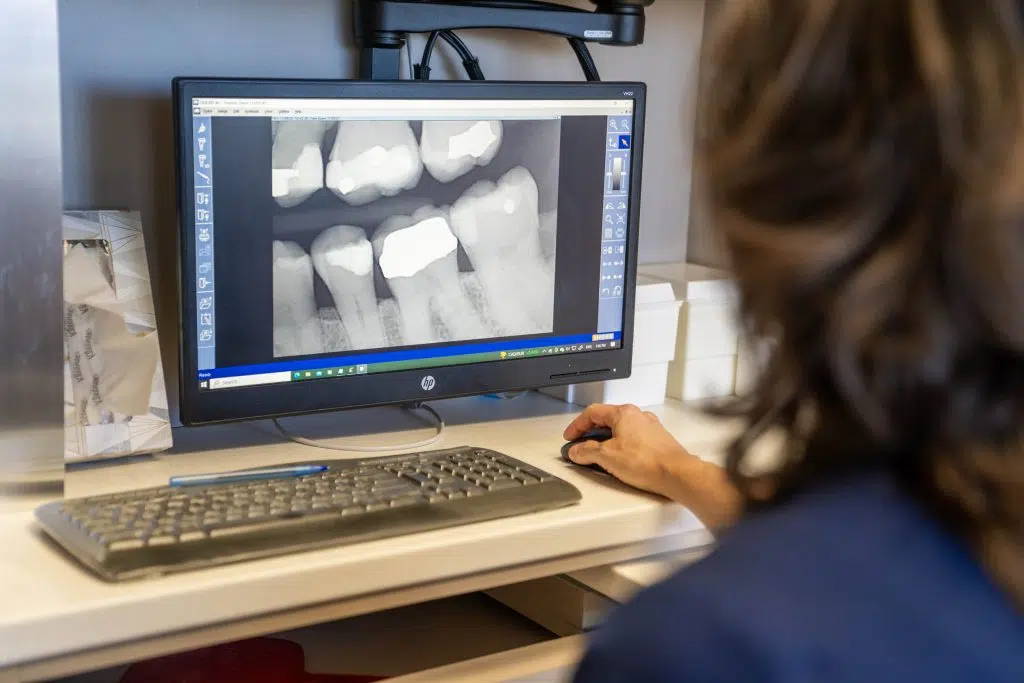
If an X-ray, scan, photograph, or other image influenced the recommendation, ask whether the dentist can show you the relevant area.
Willowgreen Dental uses tools including digital dental X-rays and digital dental impressions when appropriate for a patient’s care.
2. Why Are You Recommending Treatment?
Understanding the reason for treatment is different from simply knowing the name of a procedure. Ask what the treatment is intended to accomplish.
Depending on the situation, the goal might be to repair damage, address decay, protect remaining tooth structure, resolve infection, replace a missing tooth, improve function, or manage another oral health concern.
Your dentist should be able to connect the recommendation with the problem it is intended to address.
3. Does This Need to Be Treated Now?
Not every dental finding carries the same urgency. Ask whether the situation is urgent, time-sensitive, appropriate to schedule routinely, or something that can be monitored.
If treatment can reasonably be delayed, ask what signs would indicate that the situation has changed. If delaying care could make the problem more difficult to manage, ask the dentist to explain why.
4. What Happens If I Do Nothing for Now?
This question helps you understand the trade-off between treatment and monitoring. Possible outcomes depend entirely on the dental condition.
- Is the problem expected to remain stable?
- Could it become worse?
- What symptoms should I watch for?
- When would you reassess it?
Rather than assuming either treatment or waiting is always best, use the answer to understand the clinical context.
5. Are There Other Treatment Options?
Some dental problems have more than one reasonable approach. Ask whether alternatives exist, what the advantages and limitations are, and why one option is being recommended for your situation.
Willowgreen Dental provides a broad range of dental services, but the appropriate treatment depends on the individual patient rather than simply choosing from a list of procedures.
6. What Will the Procedure Involve?
Knowing what will happen can make treatment easier to plan for. Ask approximately how long the appointment may take, whether local anaesthetic may be used, what to expect during treatment, whether another appointment could be required, and whether there are specific instructions to follow beforehand.
Instructions vary by procedure, so follow the recommendations provided specifically for your treatment.
7. What Should I Expect Afterward?
Ask about recovery before your appointment rather than waiting until treatment is finished.
- Is temporary tenderness expected?
- When can I eat normally?
- Are there activities to avoid?
- What symptoms would be unusual?
- Who should I contact with concerns?
- Will follow-up be required?
Knowing the difference between expected after-effects and a reason to contact the clinic can reduce uncertainty.
8. What If I Feel Anxious About the Procedure?
Tell your dentist before treatment begins. You can ask whether each step can be explained before starting, whether you can agree on a signal if you need a pause, what comfort options are available, and whether sedation is relevant to your particular procedure.
For patients who require additional support, Willowgreen Dental provides sedation dentistry when clinically appropriate. Not every anxious patient requires sedation; communication, pacing, and knowing what to expect can also make a meaningful difference.
9. How Will This Treatment Affect My Other Teeth?
Dental treatment rarely exists in complete isolation. Depending on the procedure, you may want to ask how it relates to your bite, neighbouring teeth, existing crowns or fillings, orthodontic treatment, missing teeth, or future treatment plans.
This is particularly useful if several dental concerns are being addressed over time.
10. What Maintenance Will Be Required?
Completing treatment is not necessarily the end of caring for that tooth or restoration. Ask how to protect the result.
That might involve regular home hygiene, cleaning around a restoration in a particular way, follow-up assessments, monitoring wear, or changing certain habits. Understanding maintenance helps you evaluate the full treatment journey rather than only the procedure itself.
11. What Will It Cost and What Might My Dental Plan Cover?
Before treatment, ask the clinic for the financial information it can provide. Coverage varies by individual plan, so avoid assuming that a procedure is fully covered because someone else received reimbursement.
Useful questions include the estimated fee, whether more than one appointment is expected, whether the clinic can provide information for your insurer, and whether parts of treatment may not be reimbursed.
For eligible patients using the federal program, Willowgreen Dental also provides information about the Canadian Dental Care Plan.
A Simple Treatment-Plan Checklist
- What: What problem is being treated?
- Why: Why is treatment recommended?
- When: How soon should it be addressed?
- Options: Are there alternatives?
- Process: What happens during treatment?
- Recovery: What happens afterward?
- Maintenance: What care is needed later?
- Cost: What financial information is available?
You do not need to become a dental expert. You simply need enough information to make a decision you understand.
Frequently Asked Questions
Is it okay to ask my dentist for other options?
Yes. Asking about reasonable alternatives is part of understanding a treatment recommendation.
Can I ask to see my dental X-rays?
You can ask your dentist to explain the images being used to make a recommendation and show you what they are seeing.
Do I have to decide on treatment immediately?
That depends on the clinical situation. Some problems require prompt attention, while others may allow more time. Ask your dentist about the consequences of waiting.
What if I do not understand the treatment explanation?
Ask the dentist to explain it differently or in simpler language. You should feel comfortable asking questions about your care.
Should I tell my dentist I am worried about the cost?
Yes. Knowing your concerns can help the dental office explain estimates, treatment stages, and available insurance information.
What if I am nervous about treatment?
Tell the dental team before the appointment. They can explain what to expect and discuss appropriate comfort strategies.
Make dental decisions with clear information
If you have questions about a recommendation or need an assessment of a dental concern, Willowgreen Dental can explain the findings and appropriate next steps.
Contact Willowgreen Dental