

If your teeth feel comfortable and you can eat, brush, and smile without a problem, it can be tempting to assume there is no reason to see a dentist. The difficulty is that pain is not the only sign of a dental concern. Some changes involving teeth, gums, restorations, or other areas of the mouth may develop without obvious symptoms at first.
If My Teeth Don’t Hurt, Do I Still Need a Dental Visit?
Usually, yes—but how frequently you should attend depends on your individual oral health. A dental appointment is not only intended to investigate pain. It can also provide an opportunity to examine teeth and gums, monitor changes since previous visits, review existing fillings or crowns, discuss subtle symptoms, and decide whether anything needs closer attention.
Willowgreen Dental’s preventative dentistry services are designed around monitoring oral health and helping patients address concerns based on their individual needs.
- Review teeth and gums
- Monitor changes over time
- Check existing dental work
- Discuss new symptoms
- Review home-care habits
- Plan appropriate follow-up
Why Dental Problems Do Not Always Hurt Right Away
Pain is useful because it tells us something may be wrong, but it is not a perfect early-warning system. Some dental changes can initially be small enough that you do not notice them in everyday life.
Early tooth decay may be easy to miss
Changes to a tooth can begin before a person experiences a toothache. A dentist can examine areas that are difficult to inspect yourself, including between teeth and around existing dental restorations.
Gum changes can be subtle
Changes involving the gums do not always cause significant pain. You may instead notice bleeding during brushing or flossing, tenderness, puffiness, changes in appearance, or persistent bad breath. These symptoms can have different causes, so persistent changes should be assessed rather than diagnosed at home.
Existing dental work can change over time
Fillings, crowns, bridges, and other restorations are exposed to chewing forces every day. Even when a restoration still feels comfortable, your dental team may monitor its condition during routine appointments.
What Does a Dentist Look for During a Routine Visit?
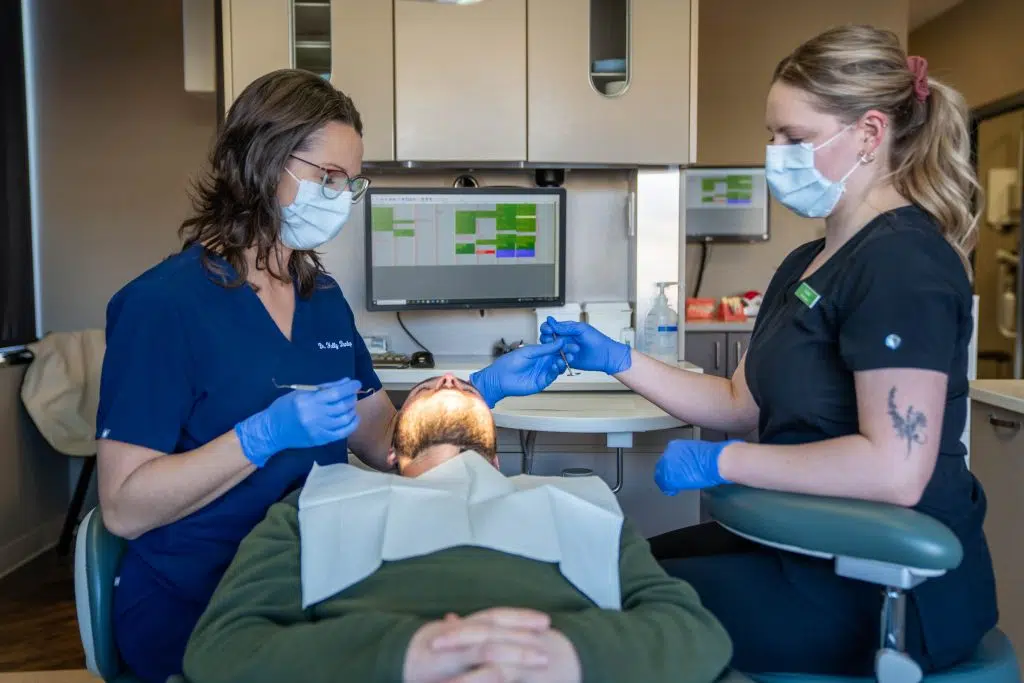
The exact examination depends on your history and current needs. A dental professional may assess several parts of your oral health rather than focusing only on whether a tooth hurts.
Teeth and existing restorations
Your dental team can look for signs of decay, wear, cracking, damage, or changes around previous dental work.
Gums
Gum health is an important part of maintaining the tissues that support your teeth. Your dentist or hygienist can identify areas that may need more attention at home or professionally.
Bite and jaw
If you mention jaw tightness, changes when biting, or possible clenching, your dentist can determine whether those concerns require further evaluation.
Oral tissues
Dental assessments can include looking at areas beyond the teeth themselves. Willowgreen Dental also provides oral cancer screening as part of monitoring changes in oral tissues.
Areas that cannot be fully evaluated visually
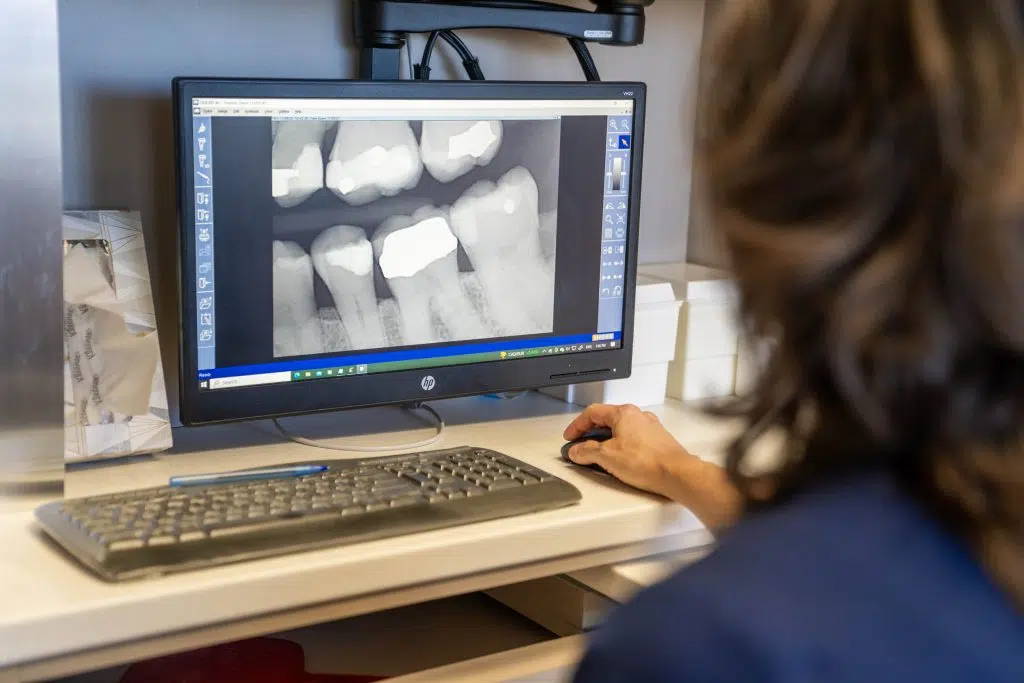
When clinically appropriate, imaging may provide information that cannot be seen simply by looking inside the mouth. Learn more about Willowgreen Dental’s digital dental X-rays.
Does Everyone Need a Dental Checkup Every Six Months?
Not necessarily. There is no single recall schedule that is ideal for every patient. How frequently you should be assessed can depend on previous cavities, gum health, existing dental work, home-care habits, dry mouth, orthodontic appliances, age, dental development, and changes your dentist is monitoring.
Your dentist can recommend an appropriate interval based on your individual oral health and risk factors. A personalized schedule is more useful than assuming every patient requires exactly the same timetable.
What Can Change Between Dental Visits?
Even when you maintain a good routine at home, oral health is not completely static. Tell your dental team about changes that may affect your care.
- New medications or changes to your health history
- Dry mouth
- New or changing tooth sensitivity
- Bleeding gums
- Jaw tightness, grinding, or clenching
- A change in your bite
- A chipped tooth or restoration that feels different
Small details can provide useful context and help your dentist compare what is happening now with previous visits.
What About Professional Dental Cleaning?
Brushing and cleaning between your teeth at home remain essential, but professional care serves a different purpose. When professional hygiene care is appropriate, a dental hygienist can remove deposits that may be difficult to manage through home care alone.
Willowgreen Dental provides professional dental cleaning based on each patient’s oral health needs. A routine dental visit, however, is not simply a cleaning appointment—it can also be an opportunity to assess and monitor your wider oral health.

Signs You Should Not Wait for Your Next Routine Visit
A regularly scheduled appointment may be appropriate when you are feeling well, but some concerns should be assessed sooner. Contact a dental professional if you experience persistent or worsening tooth pain, facial or gum swelling, a significantly broken tooth, a loose adult tooth, substantial pain when biting, a dental injury, or an unusual area in the mouth that does not improve.
Unsure whether it is urgent?
If you are unsure whether a dental problem needs prompt attention, Willowgreen Dental’s emergency dentistry information can help you understand when an urgent assessment may be appropriate.
Frequently Asked Questions
Can I have a cavity without knowing it?
It is possible for early tooth decay to cause few or no noticeable symptoms. A dentist can assess suspicious areas and determine whether treatment or monitoring is appropriate.
Why should I go to the dentist if I brush and floss well?
Good home care is essential, but dental examinations provide information that brushing and cleaning between your teeth cannot. Your dental team can monitor teeth, gums, restorations, bite, and oral tissues over time.
Is pain always the first sign of a dental problem?
No. Some oral health changes can develop before noticeable pain occurs. Bleeding gums, sensitivity, wear, or a damaged restoration may appear without a severe toothache.
How often should I have a dental examination?
The appropriate interval depends on your oral health, history, and risk factors. Your dentist can recommend a schedule for your individual needs.
Should I wait until something hurts before making an appointment?
For routine care, it is generally better to follow the schedule recommended for you rather than use pain as the only reason to attend.
Stay informed about changes in your oral health
If it has been a while since your last assessment, the Willowgreen Dental team can discuss an appropriate next step based on your individual needs.
Contact Willowgreen Dental